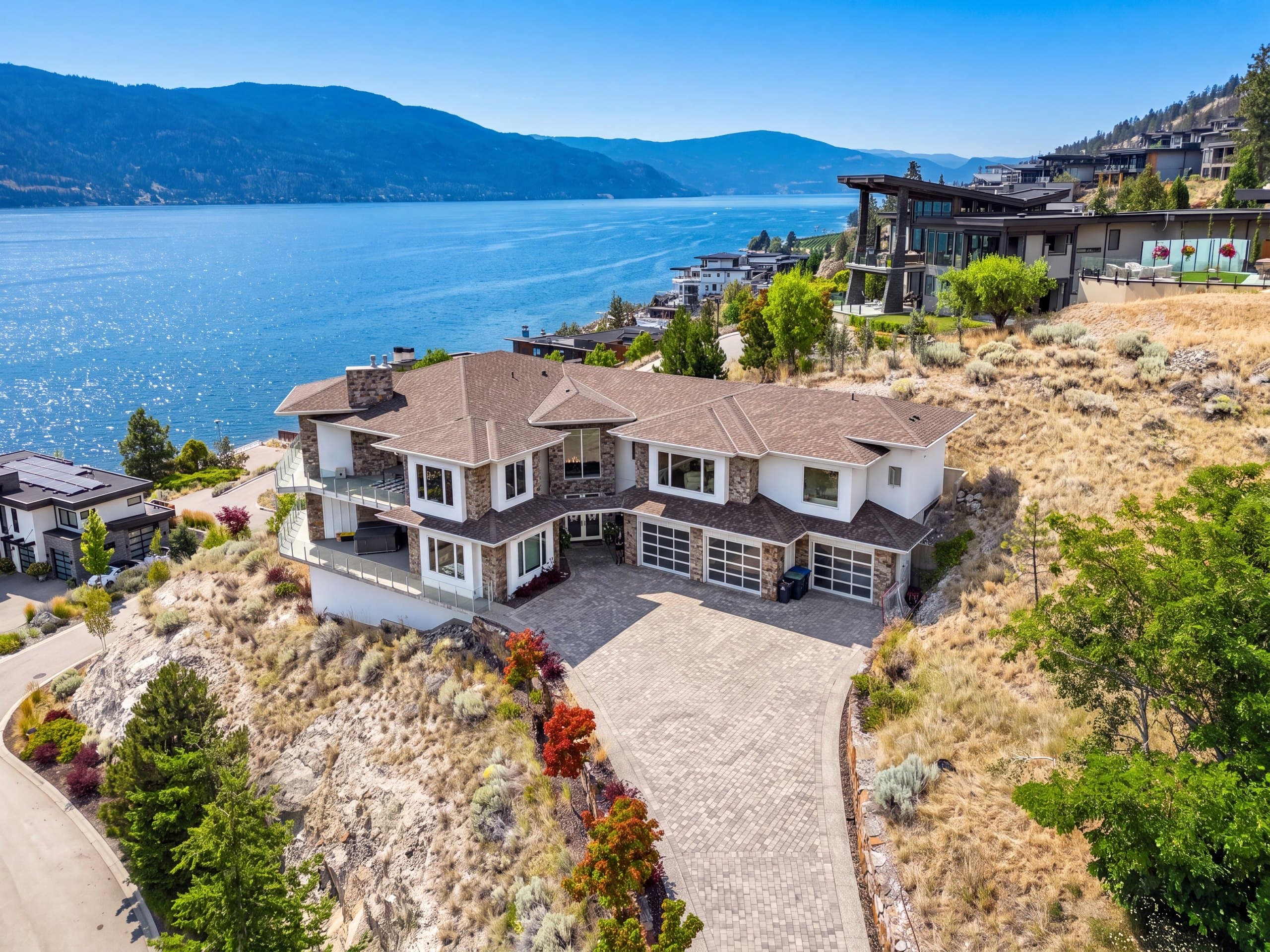
Check which way the front of the house faces before you pick a time. Morning or afternoon sun works well when it lights the front without deep shadows. Overcast weather gives you more even light. For an evening photo, get there before sunset and keep shooting as the lights start to show.
In this guide
Decide which side of the house to photograph
An accurate record of the house and a dramatic lead photo are two different jobs, and it helps to treat them that way. Get the honest daylight photo first, then try warmer or darker options once you've got it. That way a beautiful sky is never the only usable shot you have of the property.
Go for even light, materials you can read, windows under control and detail in the shadows. Morning, late afternoon or bright overcast can all work.
Golden hour can warm up the front and the garden, but only when the sun actually reaches the side that matters without throwing long, distracting shadows.
Start before sunset, switch the lights on, use a tripod and keep shooting through civil twilight while the outside of the house still has detail.
Six useful exterior photography windows
These are conditions, not times you can pencil into a calendar. Your latitude, the season, cloud, the terrain, nearby buildings and which way the house faces all change what you'll actually see when you get there.
| Window | What it gives you | Main risk |
|---|---|---|
| Midday | Easy to schedule, and strong colour when the front is evenly lit | Harsh contrast from overhead, dark entries, glaring paving and patchy garden |
| Bright overcast | Soft, even detail across the siding, stone, roof and shady areas | A flat sky, dull reflections and not much depth |
| Golden hour | Warm light from the side and a garden with some shape to it | The front might face away from the sun, and long shadows can fall across the property |
| Sunset | Colour in the sky while you can still see the grounds | The exposure changes fast, and the sky is brighter than the house |
| Civil twilight | A good balance between the sky, the house and the lights | A short window that varies by place and season |
| Blue hour | A rich, cool sky and strong contrast with the warm light inside | Black detail outside, windows taking over, noise and motion blur |
The U.S. National Weather Service defines evening civil twilight as the time from sunset until the centre of the sun is six degrees below the horizon. It's a good number to plan with, but go by the scene in front of you. Cloud, mountains, trees or the building next door can make the good balance start earlier or finish sooner than the clock says.
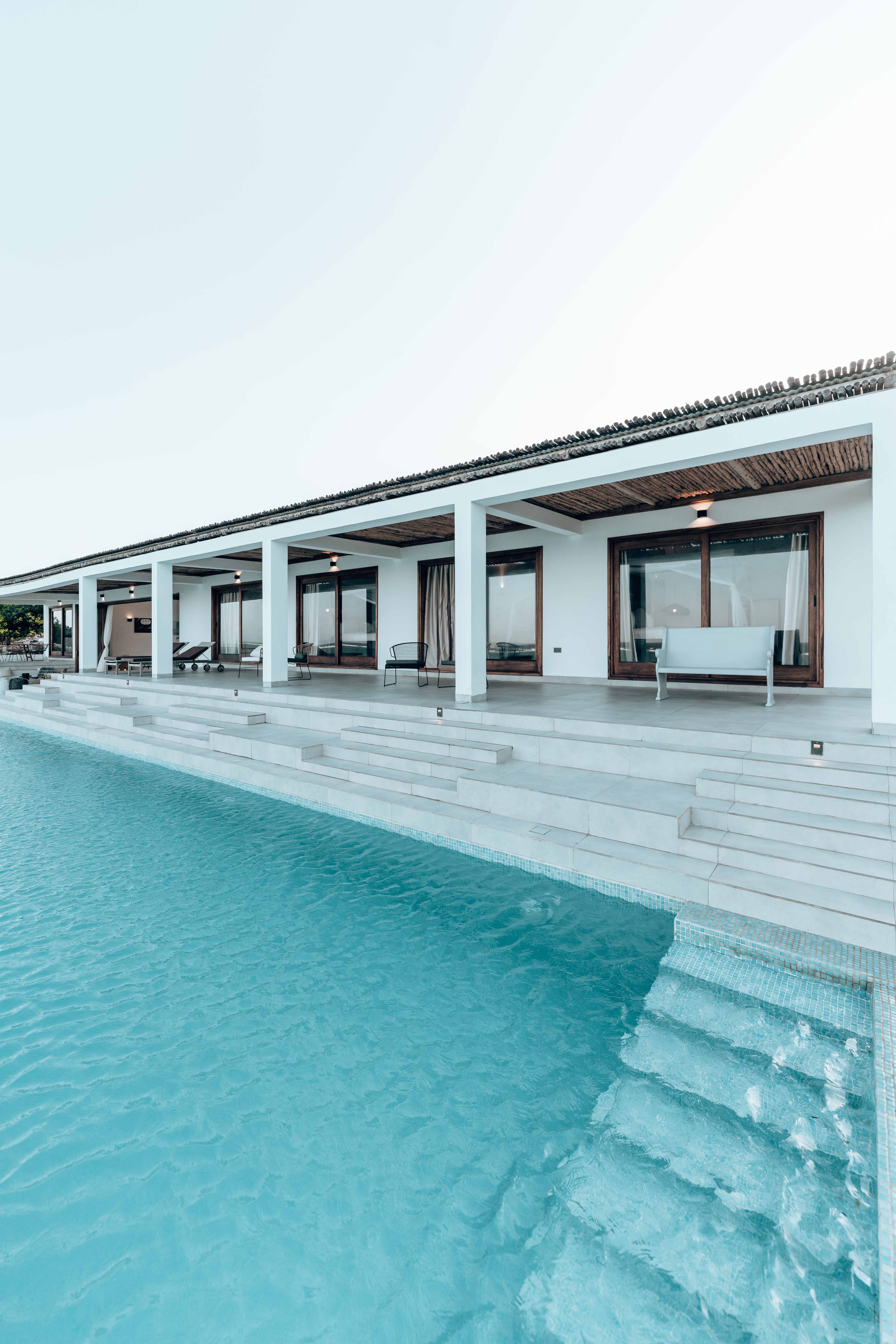
Facade direction matters more than a generic “best hour”
Check the front of the house on a map or a sun-path app before you book. An east-facing front usually gets more direct sun in the morning. A west-facing front usually gets better later in the day. North- and south-facing fronts change more with latitude and season, so check the actual sun path for that address rather than borrowing a rule that worked somewhere else.
Note which way the front faces, the sunset time, anything that blocks the light, a mountain horizon, tree cover, and whether the outdoor and indoor lights can be switched on.
Look for bands of shadow, glare, dark recesses, parked cars, bins, hoses, signs, open garage doors and anything that won't be fixed just by waiting.
If the front already looks evenly lit when you arrive, don't throw away a good shot because the plan said the light would be wrong. The photo in front of you is what counts. The plan was only ever a guess.
Season and weather change the usable window
Summer and winter change the sun's path and the length of twilight in opposite ways. Leaves, snow, dry grass, wet paving and seasonal planting change the colours and reflections too. Check the forecast and the sunset time again on the day, rather than reusing last month's schedule.
- Thin cloud: softens direct sun while keeping some texture in the sky.
- Bright overcast: great for accurate materials and shady entries, especially when the front would otherwise face away from the sun.
- Heavy dark cloud: slows your shutter speeds and can make the garden look lifeless. Get the tripod out sooner.
- Recent rain: adds reflections and colour, but deal with distracting puddles and watch out for slippery surfaces, for people and gear.
- Wind: can blur trees, flags and water during long twilight exposures, even when the house is sharp.
Pools, glass, and wet surfaces deserve daylight and twilight frames
Water and glass react strongly to changing light, so photograph them twice. Take a clean daylight shot while the pool edges, decking, railings and garden are still easy to check. Then come back to the same composition near twilight for the pool lights, glowing windows and reflections.
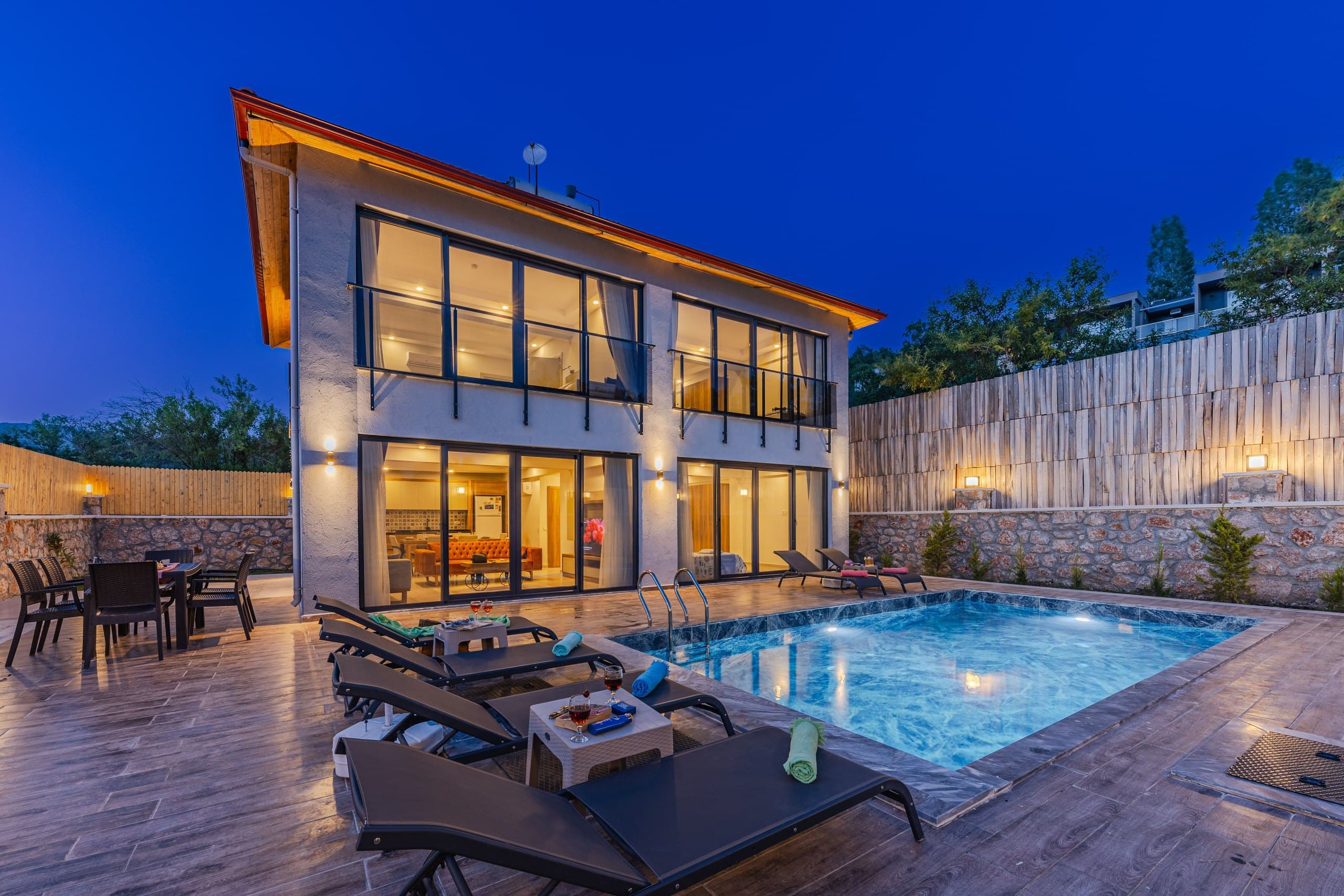
Reflection and pool checks
- Keep the waterline, pool edge, railings and the pool boundary readable.
- Watch for blown-out pool lights, pitch-black water and colour casts that make the water look unnatural.
- Check the glass for yourself, the tripod, cars, the neighbours' houses and reflected skies that don't match.
- Bracket when one frame can't hold the sky, the lights and the shaded front of the house together.
- Be careful with a polariser. It can cut glare, but it can also take away reflections that give water and glass their depth.
Plan the order of the shoot
- Prepare the outside: move cars, bins, hoses, toys, temporary signs and loose covers, where you're allowed to.
- Get the daylight lead photo: take the straight, level, accurate front view before you start experimenting.
- Add other angles: show the approach, the yard, the garden, amenities and the surroundings without hiding anything relevant.
- Set up the tripod shot: check the verticals, horizon, focus and clean edges before the light starts changing fast.
- Switch the lights on: check the bulbs, garage lights, garden lights and the rooms you can see through the windows.
- Bracket through sunset and twilight: leave the composition alone and adjust the exposure as the sky and house come together.
- Stop when the photos tell you to: finish when the house, garden or property lines no longer have usable detail.
What to do when the weather changes
The weather turns, a light won't switch on, you get in late, or the sun drops behind something that wasn't on any map. Don't force a dark, noisy file to be the lead photo. Keep your sharpest accurate daylight shot, make gentle exposure and colour corrections, and decide whether the job needs a return visit or a virtual twilight instead.
Once the calendar fills up, postponing a shoot is not always simple. The home may already be cleaned and staged, with an agent waiting to list it. I have often carried on in overcast weather. Sometimes I shoot the interiors and return for the exterior; other times I photograph everything under cloud and reschedule drone work that the rain would affect.
Try one evening style, then compare the finished image with the original at full size.
Exterior real estate photography timing FAQ
What is the best time of day for exterior real estate photography?
There isn't one time that suits every house. Pick a time when the front of the house is getting useful light. That's often the morning for an east-facing front, late afternoon for a west-facing one, or a bright overcast spell when direct sun would be too harsh. For a twilight look, stay from sunset through civil twilight and into blue hour.
Is noon always bad for real estate photos?
No. Noon can work when the front is evenly lit, the sky is softly overcast, the house is naturally shaded or there's just no other time in the schedule. It gets hard when the sun overhead throws deep shadows under the eaves, and leaves you with a glaring driveway, a dark entry and patchy garden.
Is overcast weather good for exterior photography?
Often, yes. Cloud softens the contrast and makes materials easier to read. Watch out for a blank sky, a flat-looking garden and dull reflections, then compose carefully and keep a clean, accurate original.
How long after sunset should I photograph a house?
Go by what you see rather than a set number of minutes. Civil twilight runs from sunset until the sun is six degrees below the horizon, but how long that takes changes with the season and your latitude. Start before sunset and keep shooting until the sky and the house can't both hold detail any more.
Do I need a tripod for twilight exterior photos?
Yes, once the shutter speed is too slow to get sharp shots handheld every time. A tripod also keeps your brackets lined up, and lets you shoot the same composition as the light changes.
When should I photograph a house with a pool?
Get one clean daylight version, then come back near sunset or twilight when the pool and house lights balance with the sky. Watch the reflections, the colour of the water, blown-out lights and dark areas around the pool edge.
Can virtual twilight rescue a daytime exterior?
It can give you an evening version when going back for a real twilight isn't practical, but it doesn't make up for a weak photo. Start with a sharp, level, tidy daylight shot, and check the result against the original before you deliver it.