Relight Spaces packs cost $0.40 to $0.75 USD per finished image. You pay once, and there's no subscription. An editor who fixes things by hand and handles revisions is selling a different service. Here's how to compare the two and work out what your job actually needs.
In this guide
The three common pricing models
1. Per-image credits
You buy a set number of results and use them whenever you need them. It suits occasional work and busy seasons, because there's no monthly bill during the quiet months.
2. Monthly subscriptions
A subscription can make sense if your volume is steady. Unused allowance, rollover rules and cancellation terms all change what you really pay per image, though. Weigh the monthly commitment against how many images you'll actually finish.
3. Human editing services
Human editing means someone's real time, often with revisions, masking or more detailed retouching. Price and turnaround vary a lot with how complicated the job is and the level of service, so it isn't a like-for-like swap for an automated, do-it-yourself result.
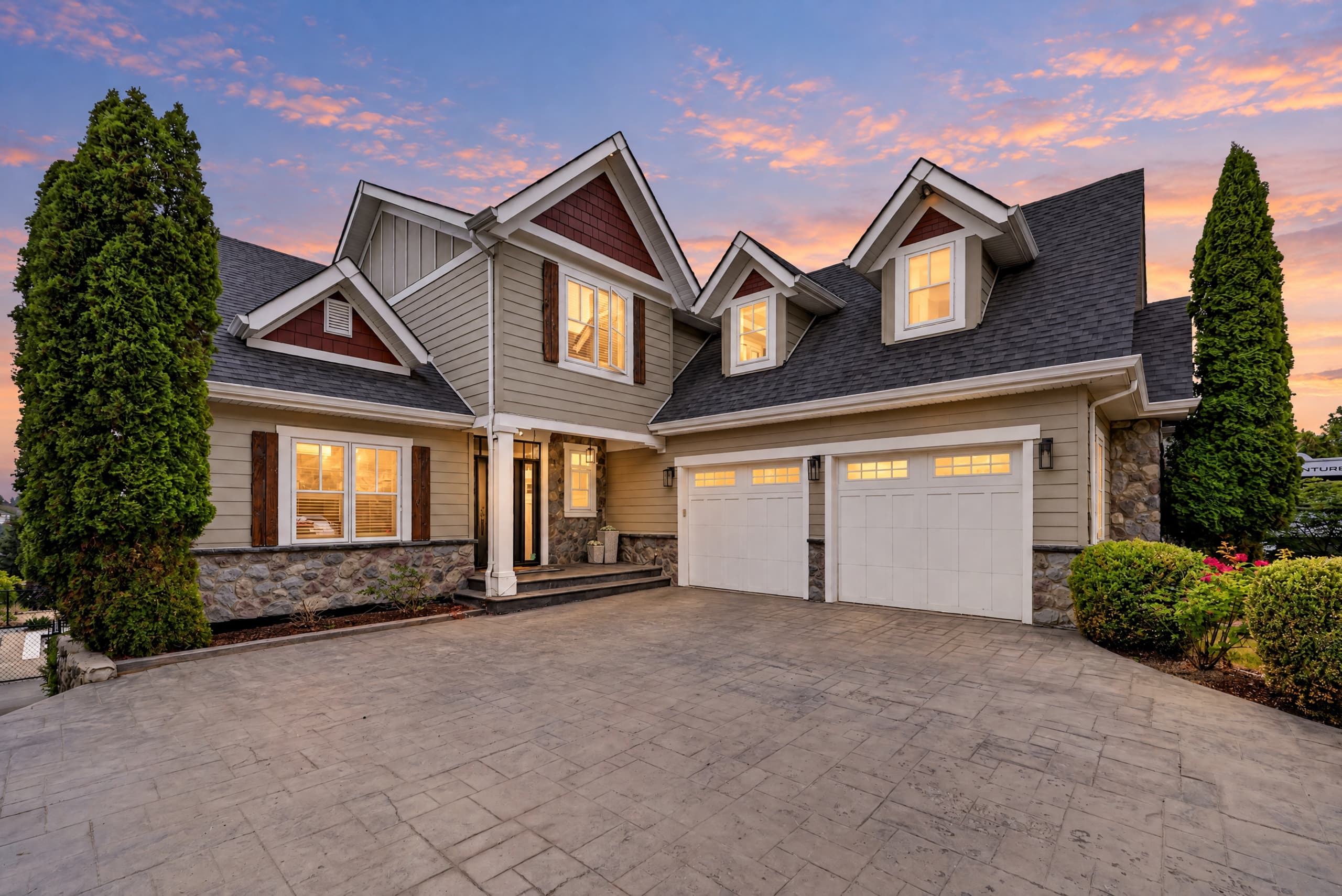
With one-time credits you pay for finished images, not for months on the calendar.
A human editor may be worth the extra when a job needs masking, revisions or detailed fixes in specific areas.
Why two “per-image” prices may describe different services
A cheap automated price and a higher human price aren't really competing for the same job. What matters is everything between upload and approval: who makes the decisions, whether revisions are included, how quickly the file comes back, and what happens when the result isn't usable.
| Route | What the price usually buys | Important question |
|---|---|---|
| Automated credits | A finished result in the lighting style you picked | Do you pay for another try, and do you get your money back if it fails? |
| Subscription software | A monthly allowance or access to editing tools | Do unused images roll over, and what happens when you cancel? |
| Human editing service | An editor's time, an agreed turnaround and sometimes revisions | How many revisions, and which fixes, are included? |
| On-location twilight shoot | Getting into the property, shooting time and editing around sunset | Are travel, weather delays and a second visit included? |
As one dated example, HomeJab lists human-edited virtual dusk at $25 USD per image, with fast turnaround and free revisions until you're happy (checked again August 28, 2026). It's useful context, but it isn't an industry average, and it isn't a fair straight comparison with an automated credit given the extra service included. See the current HomeJab listing.
Current Relight Spaces pricing
| Pack | One-time price | Finished images | Per image |
|---|---|---|---|
| Spark | $15 USD | 20 | $0.75 USD |
| Pro | $36 USD | 60 | $0.60 USD |
| Volume | $60 USD | 150 | $0.40 USD |
One credit makes one finished image. You buy credits once, they don't renew, and they stay in your account for as long as it's open. If a result can't be delivered, the credit goes back to your balance automatically.
Every pack includes the same lighting styles and output options, Sunlit and virtual twilight included. Making another version uses another credit. Downloading a result again doesn't. If something's wrong with a delivered image, contact support and we'll take a look. Compare packs, what's included and refund details.


What changes the real project cost?
- How many looks: making a dusk, a blue hour and a warm twilight version from one photo uses one credit for each finished result.
- Checking time: look over every result for accuracy in the house and the light before you use it.
- Revisions: running it again gives you a new finished image. It isn't a manual revision.
- Volume: bigger one-time packs lower the price per image.
- Reshoots you don't need: the fair comparison includes travel and scheduling, not just the editing fee.
One photo can be turned into several lighting styles, but each one is its own result, with its own credit and its own check. Decide how many options the job really needs before you make them.
How to compare two virtual twilight services
Service comparison checklist
- Compare the file you actually receive, not just the preview on the website.
- Check whether you'll be billed again automatically, or whether credits expire each month.
- Find out what happens to your credit if a result fails.
- Look at full-size examples and check the house, reflections, windows and garden.
- Find out how your uploaded originals are protected and how long they're kept.
- Check whether another try is included or charged as a new image.
- Test it with your own everyday photos before you buy in bulk.
A practical three-image example
Say you want one twilight lead photo for each of three listings this month. With a per-image service it's simple: three finished results, plus the time to upload and check them. With a subscription, count the whole monthly fee, including the part you don't use. With a human editor, add the turnaround time and any revision charges.
| Cost to include | Why it matters |
|---|---|
| Finished results | Count every extra look or retry that ends up as its own deliverable. |
| Review time | Generated results still need a careful check that the house is accurate. |
| Waiting and turnaround | A cheaper price is worth less if the listing misses its launch date. |
| Reshoot avoided | Travel, access and another evening visit can cost more than the edit itself. |
| Unused commitment | Monthly plans charge the full fee even in a slow month. |
Use your three free relights on the kind of exterior photos you normally deliver.
Which pack makes sense?
Start with the smallest pack while you're still working out which photos suit it and whether you like the results. A bigger pack only makes sense once it's proven itself on the kinds of houses and angles you actually shoot.
Virtual twilight pricing FAQ
Does one image use one credit?
Yes. Each finished Relight Spaces result uses one credit. Try three different lighting styles and that's three results, so three credits.
Do credits renew or expire every month?
No. Relight Spaces credit packs are one-time purchases. There's no subscription.
What happens if processing fails?
If a result fails, or the automatic quality check rejects it, the credit goes back to your balance by itself.
Why can automated and human virtual twilight prices be so different?
An automated price usually buys you a generated result. A human editor might also do masking by hand, make creative calls, commit to a turnaround and include revisions. Compare what you actually get rather than treating the two prices as the same thing.
Does trying another lighting style cost another credit?
Yes. Each finished lighting style is its own result and uses one credit.
Is the free trial lower resolution?
The trial runs the real process and gives you the real output. Download the finished file and look at it properly, rather than judging from the preview on the page.
Is automated editing the same as a manual retoucher?
No. A retoucher may do masking by hand, make creative calls and include revisions. Automated editing is quicker and cheaper, but you still need to check every result.