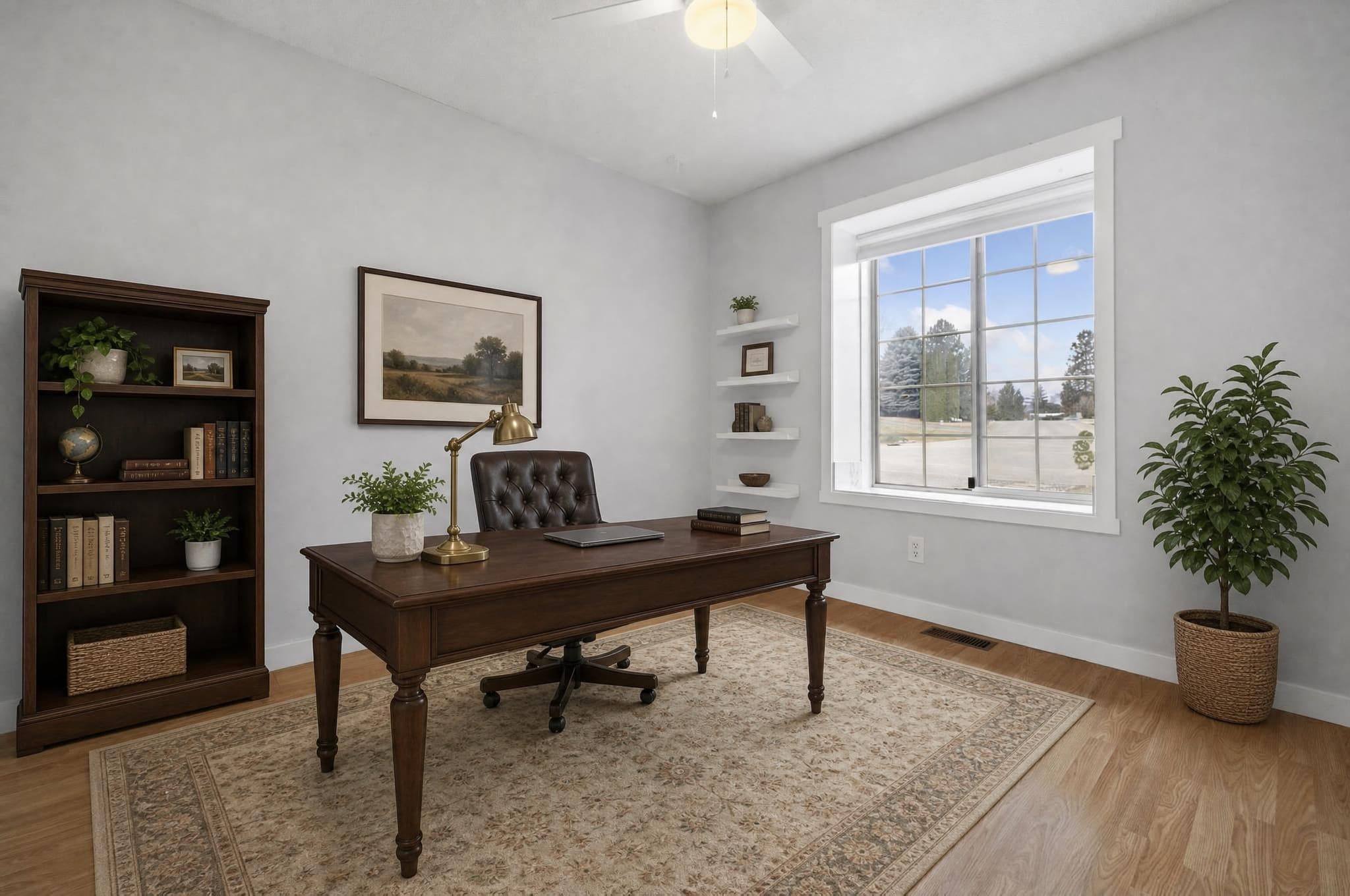
It depends on what the edit changes and where you publish it. Fixing the exposure is one thing. Removing a permanent feature or adding furniture is another. Keep the original, check the current local rules, and ask the listing broker when you're not sure which side of the line an edit falls on.
In this guide
“Allowed” depends on where the image is going
A photo can get through a platform's upload check and still break an MLS rule, a brokerage policy, an advertising requirement or a local law. Start with the most specific rule that actually applies to you, not a general article or what they do in some other market.
State, provincial and consumer-protection rules may define what counts as a real alteration and require disclosure or the original image.
Your local MLS and each listing site set their own rules for images, captions, photo order and accuracy.
A brokerage or seller may hold you to a stricter standard. Keep a record of what was approved and who's publishing it.
Routine correction, disclosed visualization, or property rewrite?
| Category | Examples | Practical treatment |
|---|---|---|
| Routine photographic correction | Exposure, white balance, sharpening, straightening, gentle colour work and cropping | Usually lower risk if the property looks the same. Keep the original and check the rules for where it's going. |
| Material visualization | Virtual staging, removing furniture, renovation ideas, a big change of sky or time of day, or generated landscaping | Label it clearly, keep the original (often shown alongside), and check the exact rule before you publish. |
| Property-fact alteration | Changed walls, windows, doors, flooring, cabinets, fixtures or defects, or changes to the neighbouring buildings, power lines, views or the lot | Don't publish it as an accurate listing photo. Redo it, or get professional advice for that specific site. |
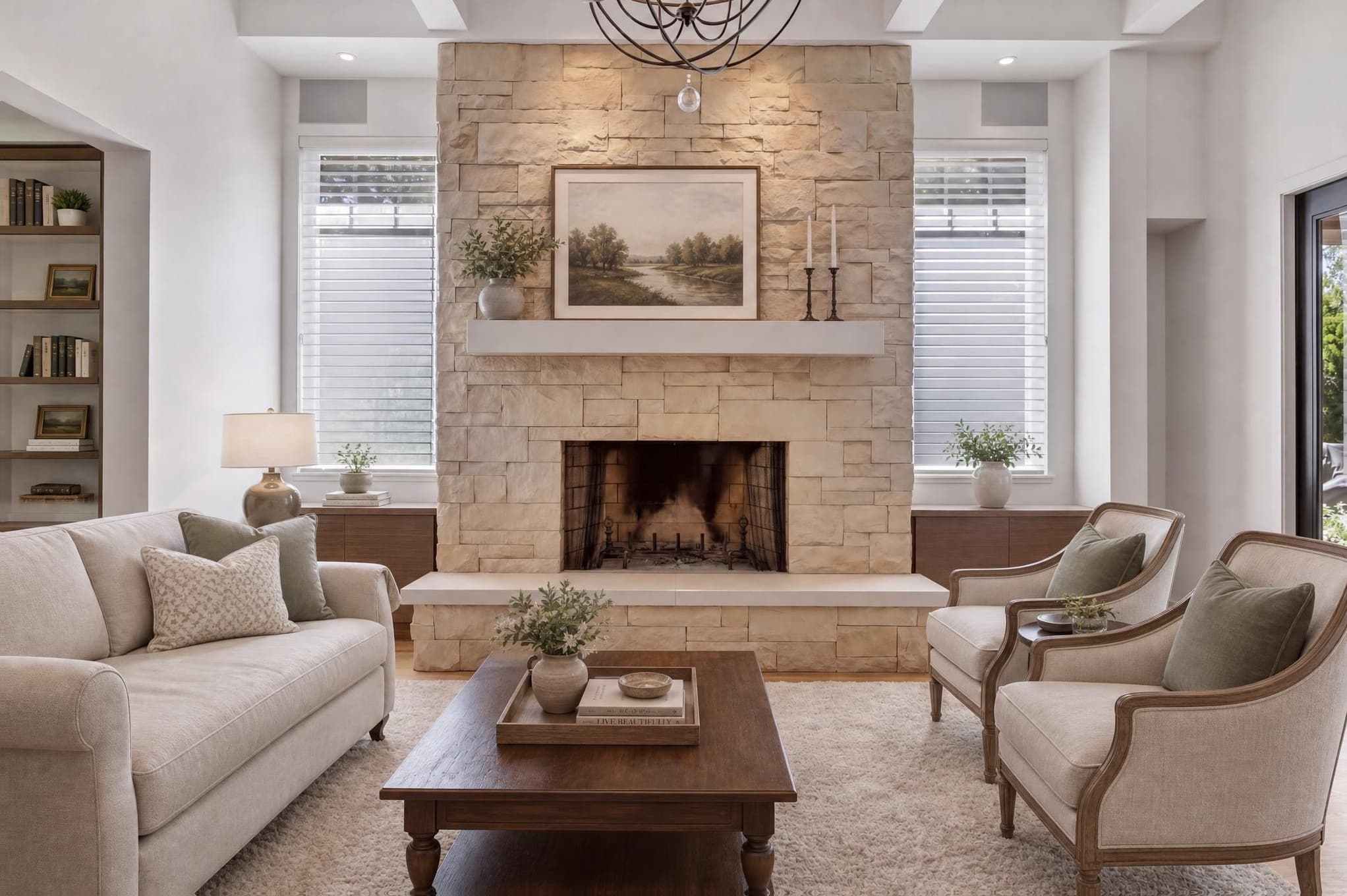
Can this edited photo enter the listing?
Answer for one photo going to one place. It's a quick screen before publishing, not legal advice or a sign-off.
Your result will appear here.
What current rules actually say
We checked these examples on August 27, 2026. They show which way things are heading. They aren't permission for the whole country.
Article 12 requires REALTORS® to be honest and truthful and to present a true picture. Standard of Practice 12-10 applies that duty to images online and prohibits manipulating them in a way that's deceptive or misleading.
Read the 2026 Code ↗MLSs can require photos that accurately show the listed property, at their own discretion. That local discretion is exactly why you need to check the actual MLS rules.
Read Policy 7.93 ↗Current CRMLS guidance separates minor photo adjustments from digitally altered images. Real alterations have to be labelled and shown next to the original. Changing real parts of the property is prohibited unless the property will match by closing.
Read CRMLS guidance ↗Zillow says listing photos should accurately show the home and supports clear disclosure of meaningful AI changes. Its own virtual staging is labelled and shown next to the unedited photo.
Read Zillow’s position ↗Virtual twilight sits between correction and visualization
A virtual twilight can change the sky, the apparent time of day, the outdoor lighting and the glow in the windows, without touching the property itself. Some sites treat gentle lighting work like any ordinary photo correction. Others treat the whole thing as a digitally altered image. Don't guess which applies to you.
A safer virtual-twilight delivery
- Call it “virtual twilight” or “day-to-dusk”, not a twilight photo taken on site.
- Keep the architecture, garden, views, power lines and visible condition true to the original.
- Don't add permanent light fixtures that aren't there, or hide defects in the dark.
- Keep the daylight original and show it next to the result when that's required.
- Ask the listing broker to confirm the exact caption and photo-order rules.
A seven-step publishing workflow
- Keep the untouched original. Never save over the source file.
- Write down what you're changing. Note the style, the tool, who did it, the date and what was asked for.
- Compare at full size. Check the property lines, permanent features, condition, views, reflections and anything generated.
- Decide what kind of change it is. A routine correction, a visualisation, or an unacceptable rewrite of the property.
- Check where it's going. Look at the current law, MLS rules, brokerage policy and platform standards for that listing.
- Label it and pair it. Use the required disclosure, and put the original next to it when needed. Our free photo label tool adds a “Digitally altered” label and a link to the original.
- Keep a record. Save the original, the result, the caption, the approval and which version of the rules you followed.
Accuracy is not the only requirement
Before you submit a photo, make sure the listing broker actually has the right to publish it. NAR's MLS photo guidance recommends that listing brokers own the photos or have the rights to use them and license them to the MLS. Editing someone else's photo doesn't give you permission to republish it.
Relight Spaces is built around changing the light. Always compare the result with the original before you use it in a listing.
AI-edited listing photo FAQ
Are AI-edited real estate photos legal?
There's no single yes or no. The law, your local MLS rules, brokerage policy, advertising standards and each platform's requirements can all differ. Check the current rules for the exact place the photo will appear, and get proper advice when the answer affects a listing or a sale.
Do AI-edited listing photos need a label?
Photos that have been changed in a meaningful way often need a clear label, like virtually staged or digitally altered, and it's a good idea even when it isn't required. Some rules also want the original shown right next to the edit. The exact wording and where it goes depend on the site.
Is changing brightness or white balance considered AI alteration?
Most rules treat ordinary photo corrections differently from real changes. CRMLS, for example, currently excludes small adjustments to lighting, sharpening, white balance, colour, straightening, cropping and exposure, as long as they don't change how the property is shown.
Does virtual twilight need disclosure?
Virtual twilight changes the time of day the photo appears to show, and it may replace the sky or add a glow to the windows. Label it accurately, keep the original, and check whether the site you're publishing on treats it as a routine lighting adjustment or as a digitally altered image.
Can I remove furniture or clutter from a listing photo?
Removing furniture can count as a real alteration even if the furniture isn't part of the sale. Keep the original, label the result, show the two together where that's required, and never remove permanent features or anything that shows the condition of the place.
Who is responsible for checking the rules?
In practice it usually falls on the person or brokerage publishing the listing to make sure it's accurate and follows the rules. Photographers and editors should still note what changed, keep the original and be clear with whoever is publishing it.
How often should I recheck AI-photo rules?
Check before each new site or market, and come back to this topic regularly. We review this guide at least every three months, because the law, MLS rules and platform standards are changing fast.